
World Mental Health Day serves as an important reminder to reflect on how work affects our mental wellbeing. From the pressure to remain available beyond office hours to overwhelming workloads and insufficient support, workplace demands can significantly influence our quality of life outside the office.
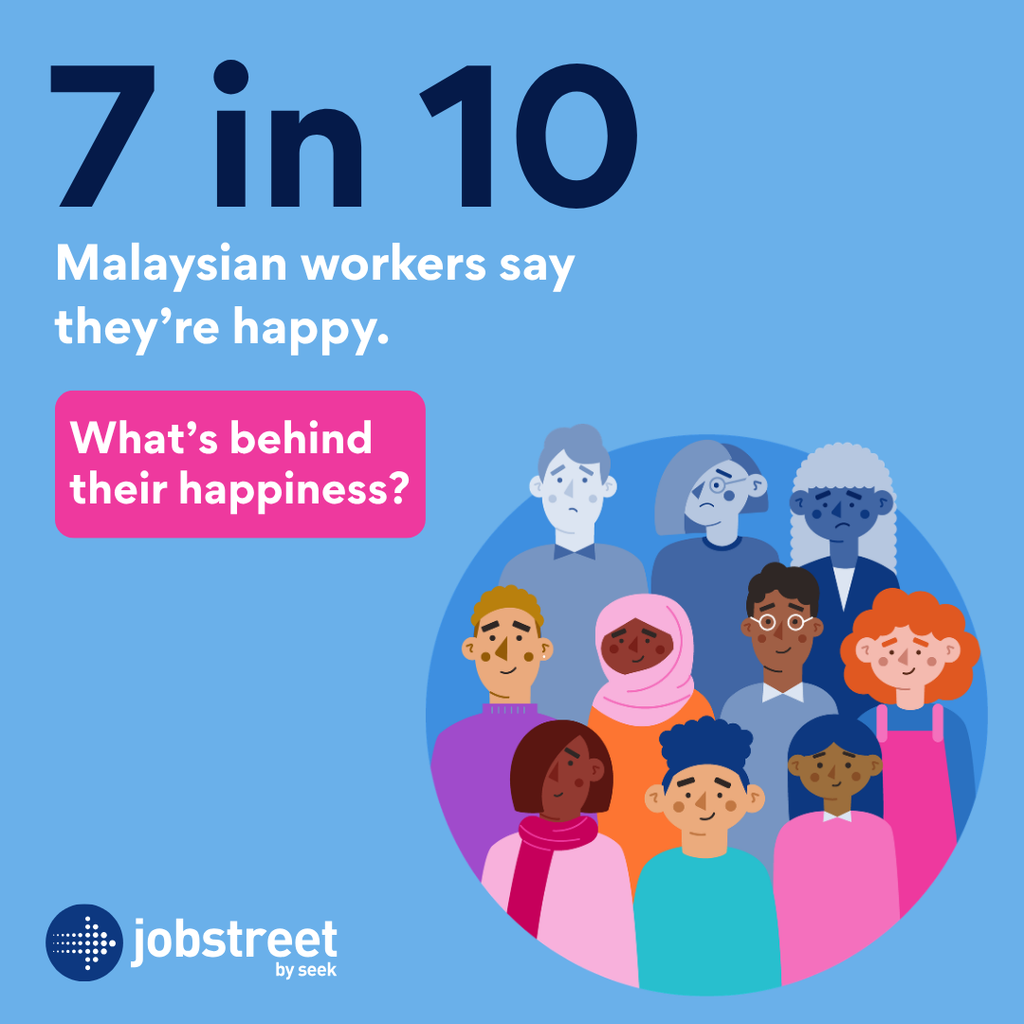
According to Jobstreet by SEEK’s Workplace Happiness Index 2026, 70% of Malaysian workers say they are happy at work. However, 41% report feeling burnt out or exhausted, while only 36% are satisfied with their stress levels. The findings highlight a growing challenge in the modern workplace: employees can enjoy their jobs while still struggling with the demands and pressures of their daily responsibilities.
Burnout may indicate that something needs to change, but the right solution differs for everyone. Before making a major career decision, employees should take time to understand the underlying causes of their stress, assess their workplace experience and consider whether their current situation can improve.
The first question to consider is whether dissatisfaction stems from the job itself or an inability to switch off from work. Although 41% of Malaysian workers report feeling burnt out or exhausted, employees who are unhappy at work are twice as likely to experience burnout. Recognising patterns such as persistent fatigue, anxiety about returning to work or difficulty disconnecting after office hours can help identify whether the problem lies in the role, workload or lack of sufficient rest. Understanding the source of exhaustion is essential, as changing jobs may not resolve burnout if the underlying issue is an unsustainable working routine.
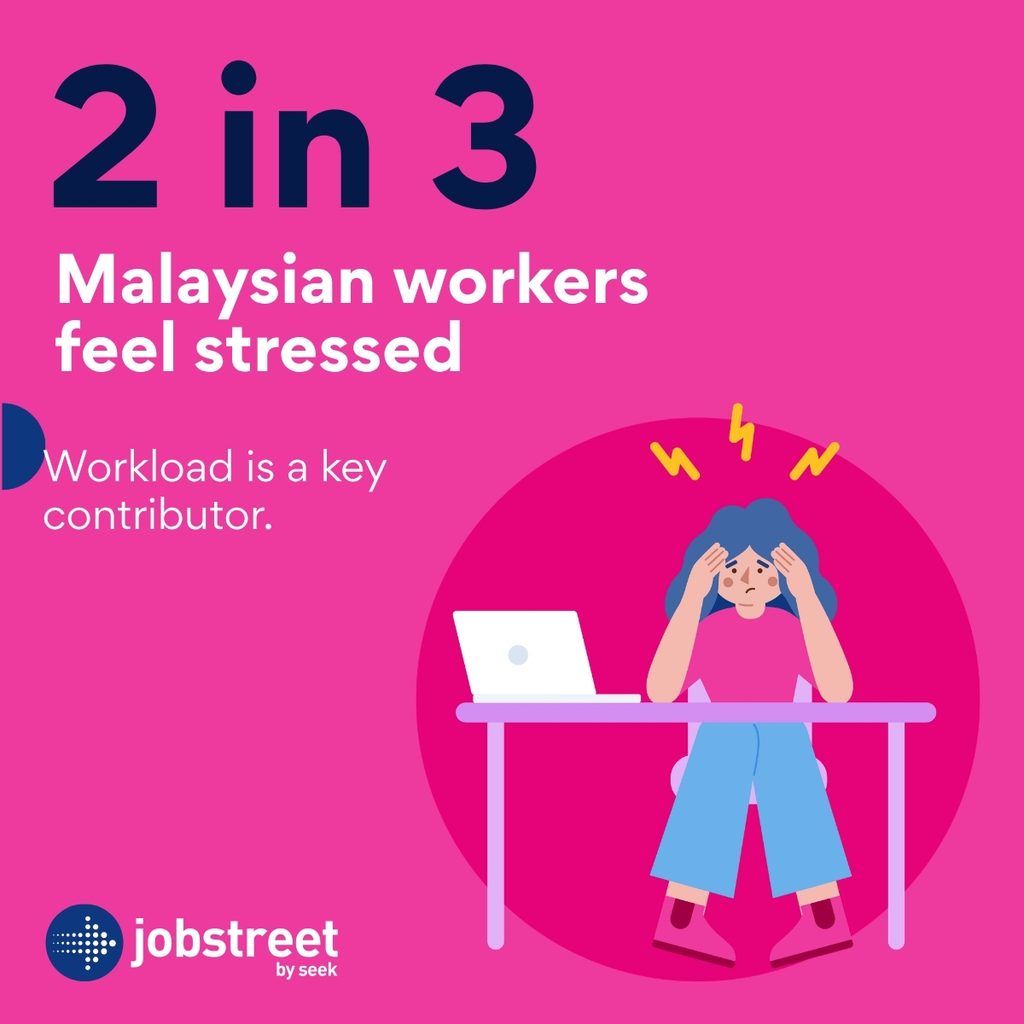
The second question is what contributes most to workplace stress. The Workplace Happiness Index found that only 42% of Malaysian workers are satisfied with their workload, while 41% say better work-life balance would improve their happiness, making it the second most frequently cited factor after higher salary. Among employees who are unhappy at work, 71% report feeling burnt out or exhausted, compared with 35% of happy workers. Identifying specific stressors, including unrealistic deadlines, unclear priorities, excessive responsibilities or expectations to remain available outside working hours, can help employees determine whether practical changes are possible. Discussions with managers about workload distribution, deadlines and flexibility may provide a clearer picture of whether the situation is temporary or requires a more fundamental change.
Beyond salary, employees should also consider whether their work provides a meaningful sense of purpose and engagement. The survey found that 57% of Malaysian workers ranked higher salary among the top five factors that would make them happier at work. Nevertheless, purpose has the strongest relationship with workplace happiness, while day-to-day responsibilities are another major influence. Employees may benefit from reflecting on whether their roles align with their strengths, allow them to contribute meaningfully and support their long-term career ambitions. While financial security remains important, opportunities for growth and a sense of purpose can also shape whether a job feels rewarding and sustainable.
Another important consideration is whether employees can be themselves while continuing to learn and progress in their careers. The survey found that purpose at work is a key driver of happiness for Gen Z workers, cited by 65%, followed by day-to-day responsibilities and company culture at 61% each, and work-life balance at 58%. However, only 69% of Gen Z respondents say they can be themselves at work, compared with 75% of Millennials and Gen X. Gen Z workers also report the highest burnout rate at 45%, followed by Millennials at 41% and Gen X at 36%. These findings highlight the importance of supportive workplace cultures where employees feel comfortable sharing ideas, asking for help, developing new skills and taking on meaningful responsibilities without feeling pressured to compromise their sense of identity.
Before deciding to resign, employees should also consider what changes could make their current working environment more manageable. Potential steps include discussing workload adjustments, exploring flexible working arrangements, seeking clearer career progression opportunities and requesting additional support during particularly demanding periods. The Workplace Happiness Index found that 87% of Malaysian workers believe workplace happiness is a shared responsibility, highlighting the role of both employees and employers in creating healthier working environments. While employees can communicate their needs and take steps to manage their responsibilities, employers also have a role in establishing supportive workplace practices and ensuring that concerns can be raised constructively.
The survey further found that happy workers are three times more likely to feel motivated to go above and beyond their responsibilities and 37% less likely to look for another job. These findings reinforce the connection between workplace wellbeing, employee motivation and retention. Although conversations with managers may not always lead to immediate improvements, they can help employees determine whether their current workplace is willing and able to address their concerns.
This World Mental Health Day, employees are encouraged to pay closer attention to how work affects their wellbeing and consider what they need to maintain a healthier, more sustainable working life. Enjoying a job does not necessarily mean that its demands are manageable, just as experiencing burnout does not automatically mean resignation is the only solution. By reflecting on the causes of stress, identifying opportunities for change and evaluating the support available, employees can make more informed decisions about their careers and overall wellbeing.







Leave a Reply