Small Daily Habits That Can Help Lower Your Biological Age
Why can some people remain physically active and energetic well into their sixties, while others struggle with everyday activities much earlier in life? While genetics can influence how we age, growing interest in longevity research suggests that lifestyle choices may also play an important role in determining our biological or functional age.
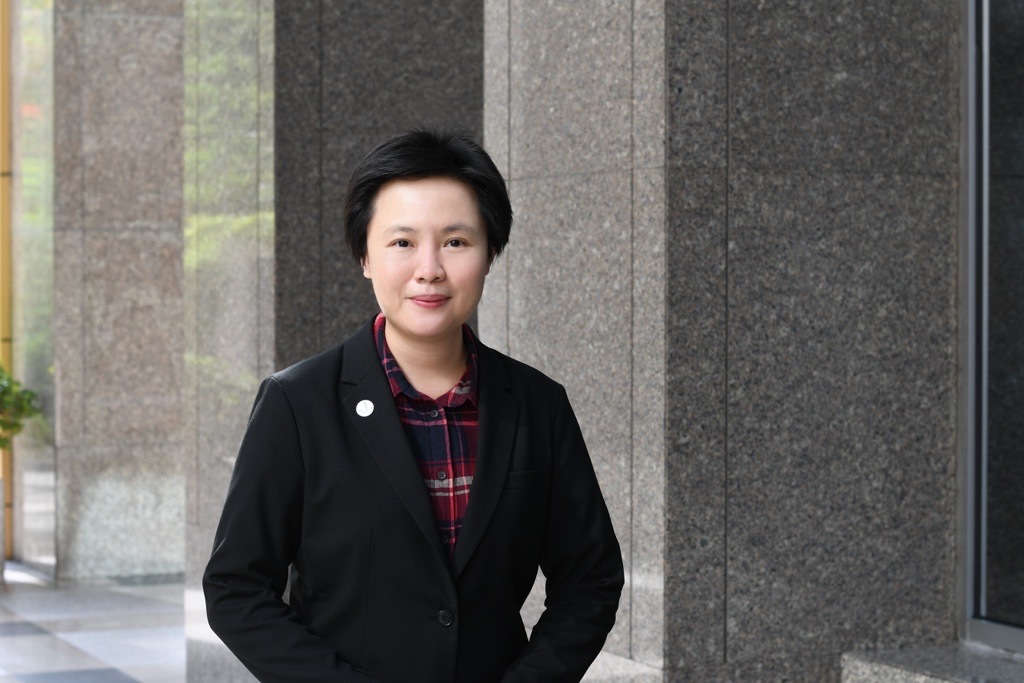
In conjunction with Healthy Ageing Month, Dr Vipada Sae-Lao, Nutrition Education and Training Lead, Asia Pacific, Herbalife, highlights the importance of looking beyond chronological age and focusing on how well the body and mind function. Biological or functional age reflects the condition and performance of organs, tissues and bodily processes, including metabolism, inflammation and cellular repair, and can differ significantly from a person’s actual age.
According to Dr Sae-Lao, everyday lifestyle choices can influence how the body responds to ageing. A balanced diet, regular physical activity, adequate sleep, cognitive stimulation and meaningful social connections can all contribute to healthier ageing and support overall physical and mental wellbeing.

Nutrition is one of the key areas where individuals can make meaningful changes. Chronic low-grade inflammation can affect cellular function and contribute to various health risks, making a diet rich in nutrient-dense and anti-inflammatory foods an important part of a healthy lifestyle. Nuts, seeds, berries, tomatoes, broccoli, leafy greens, olive oil and fatty fish are among the foods that can provide beneficial nutrients, while eating patterns such as the Mediterranean diet have been associated with supporting brain and immune health.
Adequate protein intake is also essential as the body gradually loses muscle mass and strength with age. Sarcopenia, the progressive loss of muscle mass and function, can begin from middle age, highlighting the importance of consuming sufficient protein to support muscles, organs, skin, hormones and enzymes. Malaysians can also follow the Ministry of Health Malaysia’s “Suku-Suku Separuh” approach, which encourages meals to comprise carbohydrates, protein, and fruits and vegetables in a balanced proportion.
Other nutrients, including vitamin D and calcium, also play important roles in maintaining healthy bones and supporting normal bodily functions. Incorporating vitamin D-rich foods such as salmon and mackerel alongside calcium-rich leafy vegetables can help create a more balanced nutritional intake. Maintaining a healthy gut microbiome is another consideration, with probiotic and fermented foods such as yoghurt, kefir, kimchi and fermented vegetables helping to support microbial diversity.

Staying physically active is equally important for healthy ageing. Regular exercise can support cardiovascular health, cognitive performance, mood and metabolic function. Adults are generally encouraged to aim for at least 150 minutes of moderate aerobic activity each week, together with strength training on at least two days. Exercise does not necessarily require a gym membership, as activities such as badminton, gardening, washing the car, housework and walking can also contribute to daily movement.
Keeping the mind active can also support healthy ageing. Memory exercises, problem-solving activities, learning new skills and activities that challenge reasoning and processing speed can stimulate cognitive function. At the same time, maintaining meaningful social connections is important for emotional wellbeing, as prolonged loneliness can negatively affect both physical and mental health.
Sleep is another fundamental component of the body’s ability to recover. Maintaining a consistent sleep schedule and developing healthy sleep routines can support physical and mental restoration. Sleep problems such as insomnia and sleep apnoea, as well as disturbances linked to conditions including pain, menopause, gastrointestinal issues or depression, should also be addressed as they may affect overall wellbeing.
Alongside adopting healthy habits, reducing behaviours that can undermine health is equally important. Diets high in highly processed foods, excess sugar, salt and unhealthy fats may contribute to long-term health risks. Smoking and heavy alcohol consumption can also affect multiple organs and contribute to inflammation and other adverse health effects.

With Malaysia’s population ageing and the proportion of older people projected to reach 15% by 2030, supporting healthy ageing is becoming increasingly important. Beyond simply extending life expectancy, the focus is increasingly shifting towards ensuring that people can remain active, independent and healthy for as long as possible.
As Dr Sae-Lao emphasises, small and consistent lifestyle choices can play a role in helping people navigate age-related changes. From eating balanced meals and staying active to getting sufficient rest and maintaining social connections, healthy ageing can begin with practical choices made every day.