Wellness Culture Gains Momentum in Malaysia as 4 in 5 Consumers Embrace Holistic Health – Herbalife Survey
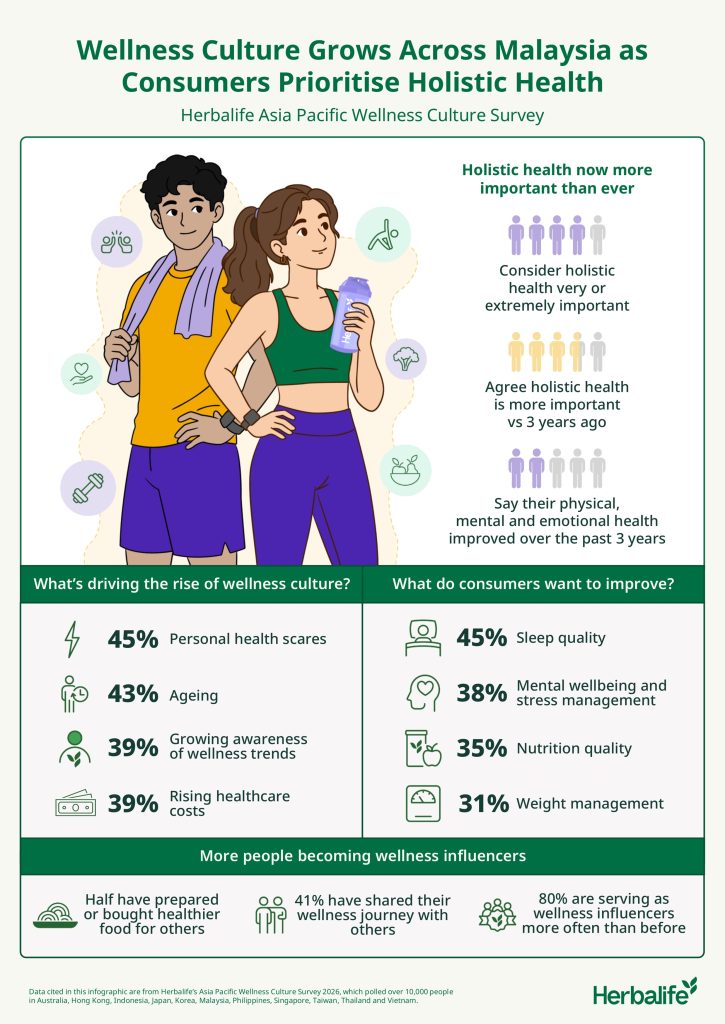
A growing wellness culture is taking root across Malaysia as more consumers place greater emphasis on holistic wellbeing, according to the Herbalife APAC Wellness Culture Survey 2026. The survey found that 81% of Malaysian respondents consider holistic health to be very or extremely important, reflecting a stronger focus on maintaining physical, mental and emotional wellbeing as part of a healthier lifestyle.
The findings are part of a wider regional trend, with 82% of respondents across the Asia Pacific (APAC) region placing high importance on holistic health and 74% saying it has become more important compared with three years ago. In Malaysia, consumers are increasingly recognising areas that require greater attention, including sleep quality, mental wellbeing and stress management, nutrition and weight management.
The survey, conducted in May 2026, gathered responses from more than 10,000 people across 11 APAC markets, including 1,001 respondents from Malaysia. Among Malaysian respondents, 45% identified personal health concerns as a key factor driving greater interest in wellness, followed by ageing at 43%. Growing awareness of wellness trends and rising healthcare costs were each cited by 39% of respondents as contributing factors.
Steven Chin, Senior Director and General Manager of Herbalife Malaysia and Singapore, said the findings demonstrate that Malaysians are becoming more deliberate about developing healthier habits. He noted that consumers are taking a broader approach to wellbeing, from improving sleep and nutrition to managing stress and maintaining a healthy weight, although a lack of time and motivation remains a challenge for many.

Wellness is also becoming increasingly integrated into Malaysians’ everyday routines. According to the survey, 58% of Malaysian respondents said both the variety and frequency of their wellness activities have increased compared with three years ago. The most common activities include improving sleep habits at 49%, making healthier food choices at 48%, exercising regularly at 39% and managing weight at 37%.
The growing wellness culture is also encouraging Malaysians to influence those around them. Nearly half of respondents said they had prepared or purchased healthier food for someone else or shared their personal wellness journey within the past 12 months. More than 81% of those who had shared wellness advice or purchased healthier food for others said they were doing so more frequently than three years ago.
Despite this progress, maintaining consistent wellness habits remains a challenge. In Malaysia, 40% of respondents identified a lack of time as a major barrier, while 35% pointed to a lack of motivation. These challenges highlight the importance of making healthy lifestyle choices more practical and sustainable for people managing busy daily routines.
Social support could play an important role in helping Malaysians overcome these barriers. Family and friends, alongside social media, were identified as the two sources most likely to have a positive impact on respondents’ health. Many Malaysians said they would welcome greater support from their communities, particularly in improving physical health at 64%, emotional wellbeing at 56% and mental health at 55%.
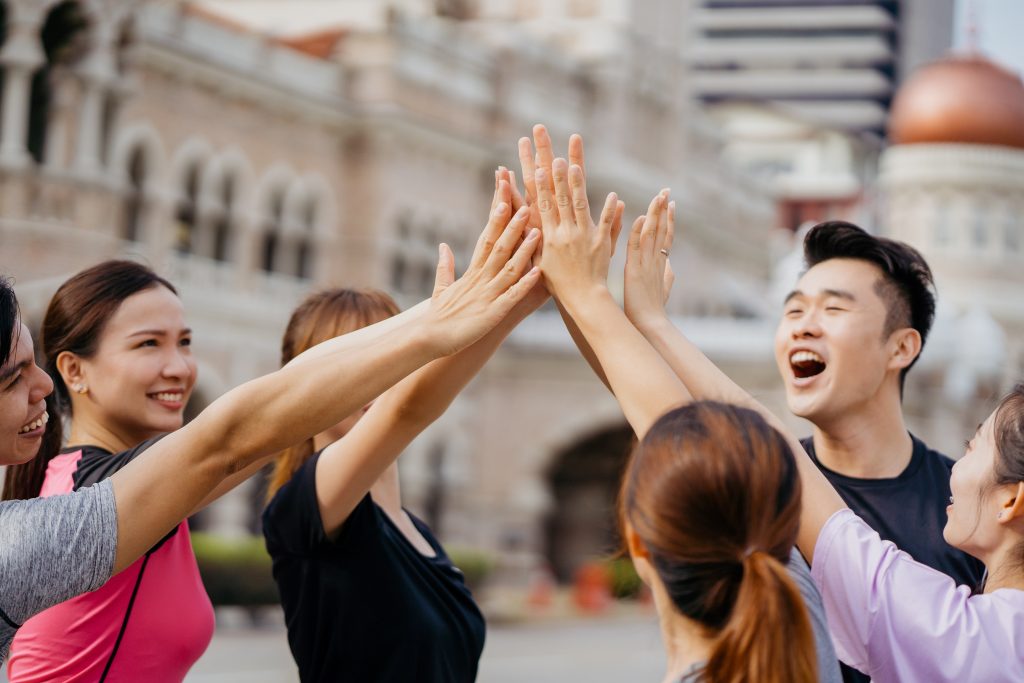
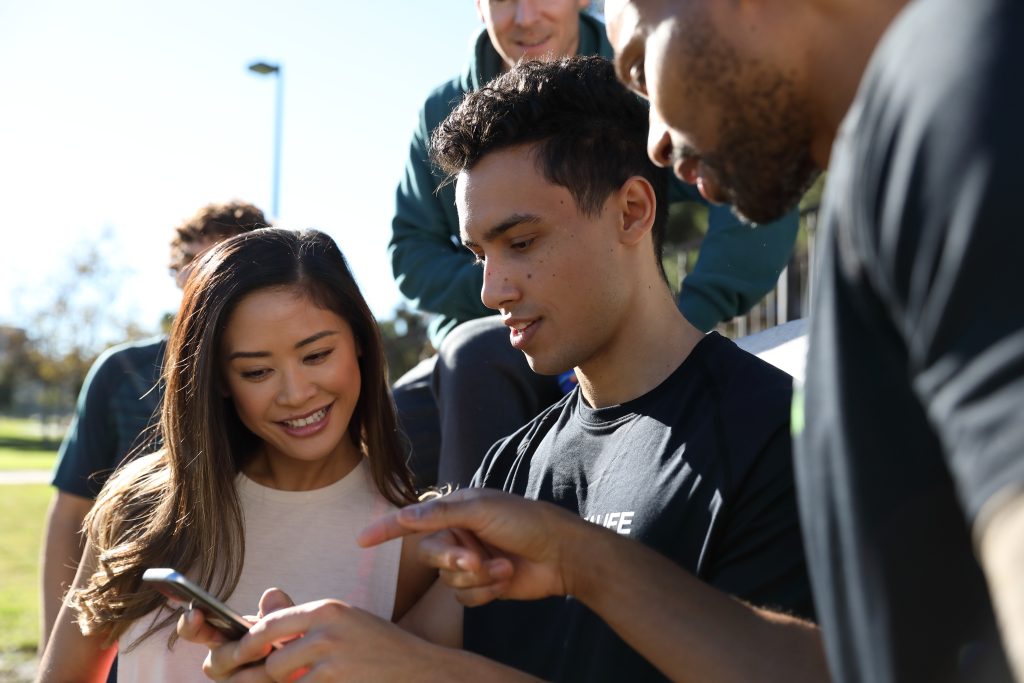
Encouragingly, 76% of Malaysian respondents said they are now more open to sharing and encouraging healthy habits compared with three years ago. This suggests that wellness is increasingly becoming a shared community experience rather than an individual pursuit, with people turning to family, friends and wider social networks for motivation and encouragement.
The survey highlights the importance of creating supportive environments that make healthier living more accessible and sustainable. With Malaysians increasingly prioritising holistic health, stronger community support, practical guidance and personalised approaches could help consumers maintain healthy habits over the long term and work towards healthier, more fulfilling lifestyles.