Nestlé Malaysia Introduces Nestlé KITAR to Expand the Nation’s Largest Community-Based EPR Recycling Programme
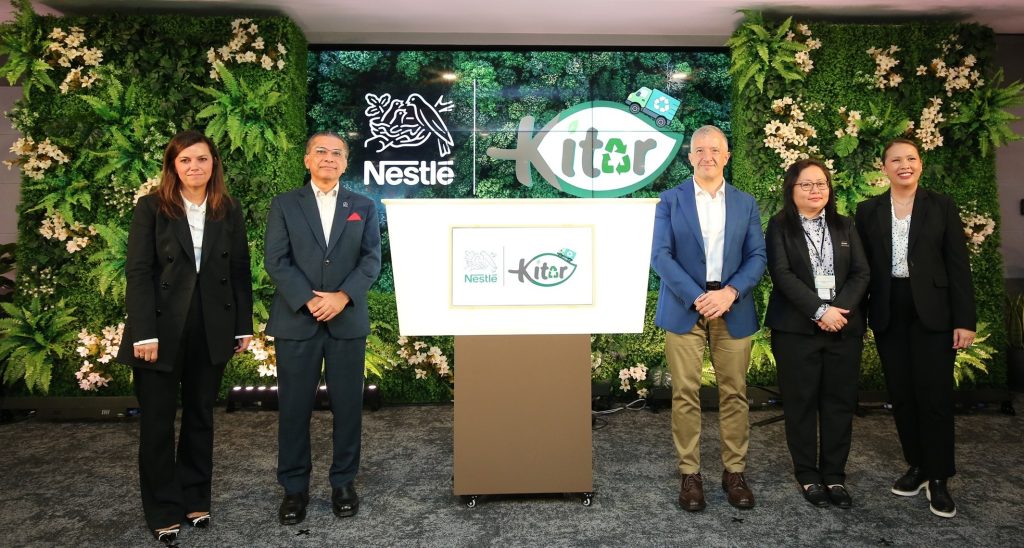
Nestlé Malaysia is strengthening its commitment to building a more circular economy with the launch of Nestlé KITAR, a refreshed platform for Project SAVE (Segregate, Avoid, Value, Educate), the nation’s largest voluntary Extended Producer Responsibility (EPR) initiative. The new platform marks the next phase of a programme that has been working to make recycling more accessible to communities across Malaysia.
Nestlé KITAR builds on more than six years of partnerships and achievements under Project SAVE, with a renewed focus on expanding community participation, improving recycling collection services and strengthening recycling education. Through collaboration with government agencies, local authorities, waste management concessionaires, recyclers, industry partners and communities, the initiative aims to encourage more Malaysians to adopt responsible recycling practices in their daily lives.
The platform was introduced at the “Nestlé: Sustainability, Connected” event, which was officiated by Deputy Minister of Natural Resources and Environmental Sustainability, YB Tuan Syed Ibrahim bin Syed Noh. The event also brought together Ms. Katarzyna Grzybowska, Assistant Vice President of Nestlé S.A. and Head of Sustainability for Zone Asia, Oceania & Africa, as well as representatives from government agencies, industry and civil society organisations.
According to Nestlé Malaysia Chief Executive Officer Juan Aranols, Malaysia generates an estimated 40,000 tonnes of solid waste every day, highlighting the need to make recycling more convenient while encouraging better Separation-at-Source practices. He said Nestlé KITAR would build on the foundation established by Project SAVE to reach more households and make responsible recycling an everyday habit.
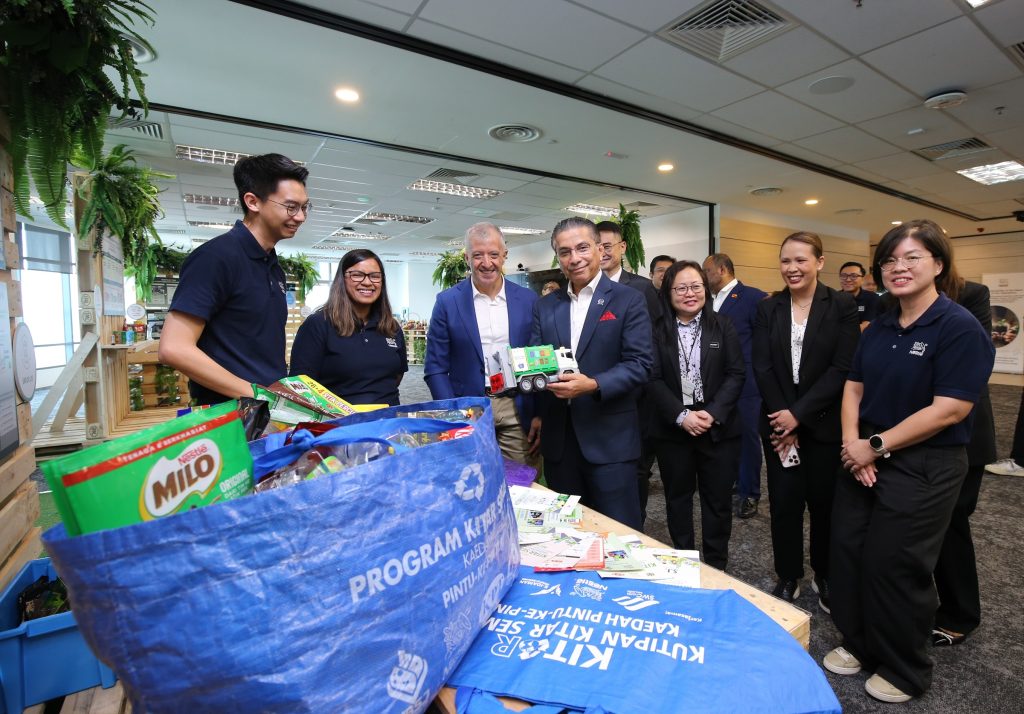
Since its introduction in 2020, Project SAVE has expanded its reach to approximately 270,000 households across nine cities. The programme has also recovered and recycled around 50,000 tonnes of dry mixed recyclables, including 32,000 tonnes of plastics, demonstrating the potential impact of sustained community participation and coordinated recycling efforts.
Nestlé KITAR places collective responsibility at the heart of its approach, recognising that a stronger recycling ecosystem requires cooperation across different sectors. Partnerships involving government bodies, local authorities, waste management operators, recyclers, businesses and communities can help improve collection systems while ensuring recycling initiatives are adapted to the needs of individual communities.
The initiative also complements Nestlé Malaysia’s wider efforts to reduce its reliance on virgin plastic, increase the use of recycled materials and improve packaging recyclability. As of 2025, 95.6% of Nestlé Malaysia’s packaging was designed for recycling, while the company has introduced recycled plastic resin (rPET) bottles across its Ready-to-Drink beverage portfolio and replaced plastic bowls and cups with paper-based alternatives in selected product categories.
Nestlé Malaysia has also taken steps to reduce single-use plastic through its packaging innovations. The company became the first in Malaysia to transition its entire UHT range to 100% paper straws, a move that has helped eliminate more than 1.2 billion plastic straws from the environment to date.
Through Nestlé KITAR, the company is seeking to address different stages of the packaging lifecycle, from reducing material use and improving packaging design to strengthening post-consumer collection and recovery. By expanding access to recycling and encouraging greater household participation, the initiative aims to contribute towards a more effective circular economy and a more sustainable future for Malaysia.